
Commercial Bathroom Repair, Renovation & Remodeling - Serving the Greater Atlanta Area Over 30 Years
**Fill the Form or Call for a Free Onsite Consultation & Quote
Contact Us for a Free Quote
Building Upgrades to Make Your Commercial Space More Efficient & Sustainable
Sustainable solutions can help make your business more eco-friendly while also having the benefit of cost-savings.
By utilizing green and sustainable building materials, renewable energy sources, and other environmentally-friendly processes, you can create a healthier and more efficient workplace.
Furthermore, these solutions are often cheaper than standard methods due to their resource efficiency. In addition, opting for these services may also give you access to incentives from local or federal government programs. Investing in green and sustainable solutions for your commercial space is an excellent way to save money while being kinder to the environment.
The Benefits Of Energy-Efficient Lighting
Energy-efficient lighting in commercial spaces can provide many benefits, ranging from reduced energy costs to improved employee productivity. One of the most significant benefits is the cost savings associated with efficient lighting.
High-efficiency light fixtures use up to 65% less electricity than traditional lamps and can last for years longer than standard bulbs. As a result, businesses can save money on their utility bills by making the switch to energy-efficient lighting.
In addition to saving money on electricity, energy-efficient lighting can also help to improve employee productivity. Studies have found that better-quality lighting can increase alertness and focus in workers, leading to higher levels of performance and increased job satisfaction.
Furthermore, research has shown that switching to energy-efficient lighting systems can result in fewer sick days taken by employees due to improved air quality and ventilation as well as greater natural light provided by the fixtures. Finally, businesses may be able to take advantage of various tax credits or deductions that are offered for installing energy-efficient lighting systems.
Different Types Of Energy-Efficient Lighting Solutions, Including LED and Compact Florescent Light (CFL Bulbs)
The two most popular types of energy-efficient lighting solutions are LED and CFL bulbs. LED bulbs use light-emitting diodes made from semiconductor materials that convert electricity into light with much less heat and very little wasted energy. LEDs are highly efficient, last for many years, and can be dimmed for adjustable lighting levels.
CFL bulbs use gas-filled tubes to create light with far less energy than traditional incandescent bulbs, at a fraction of the cost. CFLs also give off a warm color of light, but they do not last as long or offer the same level of dimming capabilities as LEDs.
Tips For Choosing The Right Energy-Efficient Lighting Solution For Your Commercial Space
Researching the right energy-efficient lighting solution for your commercial space can be a daunting task. Between LED, CFL, and fluorescent lighting, store owners can feel overwhelmed with all their options. To make the task easier and ensure you select the most efficient and cost-effective option, here are some tips to help you decide:
1. Start by assessing your needs. Consider the size of your space, the amount of natural light it receives throughout the day, and how much use it will get. For example, areas that receive a lot of natural light might not need as bright of lights or may be able to get away with less fixtures than darker spaces.
2. Look at annual costs versus initial cost when making your decision. While CFLs and fluorescents tend to be cheaper upfront, they are usually more expensive to operate over time due to their lower efficacy ratings compared to LEDs. On the other hand, LEDs can come with a significantly higher price tag initially, but will pay for themselves in energy savings over time if used correctly.
3. Think about long-term maintenance considerations if you’re choosing between LED and CFL lamps for your commercial space. LEDs usually have a longer average lifespan than CFLs. This means that you will need to replace the CFLs more often, resulting in additional costs.
Step-By-Step Instructions For Installing Energy-Efficient Lighting
Step-by-step instructions for installing energy-efficient lighting:
- Turn off the power to the area you are working in by turning off its circuit breaker.
- Carefully remove your existing light fixture and set aside all of its components, including any globes, shades, or bulbs that were previously installed.
- Install the new mounting plate in the space left by the old fixture. Secure it with screws, being careful not to overtighten them.
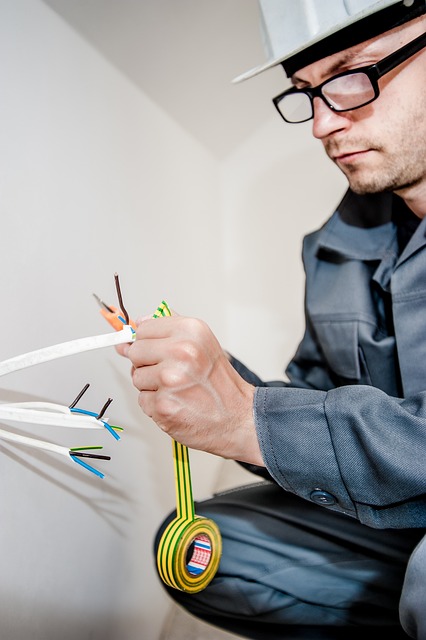
- Connect the wires from the energy-efficient light fixture you purchased to those of your electrical box using wire nuts and electrical tape as necessary to ensure a secure connection. Before reconnecting power, double-check that all connections are secure, and that no exposed wiring is present within the box.
- Hang your new light fixture on the mounting plate you installed in step three, making sure that it will not come into contact with any insulated surfaces when it is turned on or off. If additional mounting support is required, use appropriate hardware to securely mount it according to your local building codes.
- Once you have reattached the bulbs or shades, firmly tighten any screws to ensure proper operation. Flip the switch on the wall to test if your light fixture is working properly. If the light does not turn on, double check that all connections are snugly secured and that each bulb is screwed in securely. If it still doesn’t work, you may need to try a new bulb or reset the breaker in your electrical panel.
Benefits Of Water-Saving Solutions
Water-saving solutions are the perfect way to help conserve water, reduce costs and protect the environment. There are a variety of water-saving strategies available, ranging from low-tech physical modifications to complex technological solutions. Each approach can offer substantial long-term savings in terms of cost and environmental impact.
For example, low-tech modifications such as installing low-flow shower heads and faucets can significantly reduce the amount of water used for everyday activities such as showering and washing dishes. Installing these devices is straightforward and requires minimal effort or expertise—resulting in immediate savings on water use and utility bills.
Installing these types of systems requires more initial investment than simple modifications, but they can still save money in the longer term by eliminating the need to purchase potable water for activities that do not require it.
Different Types Of Water-Saving Solutions
Low-flow faucets are designed to minimize the amount of water used when washing hands or dishes. These fixtures can reduce household water usage by 20-30 percent, making them an economical and efficient choice for households looking to reduce their water footprint. Low-flow toilets are also available and can provide similar savings.
Greywater reuse systems allow homeowners to use water from washing machines, showers, and other sources for irrigation or toilet flushing. Greywater is typically safe to use as long as it hasn’t come into contact with hazardous materials such as bleach or oil.
Rainwater capture systems are another great way to save on water consumption costs. These systems collect runoff from rooftops in containers, which can then be used for exterior irrigation or even for indoor uses like laundry or toilet flushing. Rainwater collection is a great way to supplement municipal supplies during times of drought or other shortages.
Tips For Choosing The Right Water-Saving Solution For Your Commercial Space
When it comes to choosing the right water-saving solution for your commercial space, there are several key factors to consider. Firstly, determine what type of water use you will be saving. Different solutions may be necessary depending on whether you are looking to save on hot or cold running water, or both. You must also take into account the total area that needs to be covered by the solution; a large office building may require multiple solutions in order to make the most efficient use of resources.
Additionally, consider how much you are willing to invest in the solution as costs can vary drastically between different products and strategies. Finally, consider which features meet your specific needs; for example, some solutions offer more control over water consumption than others. Armed with this information, you can then compare available options and select the best one that meets your aims and budget requirements.
Step-By-Step Instructions For Installing Water-Saving Solutions
Installing water-saving solutions is an important step in conserving resources and protecting the environment. To get started, you will need a few basic tools such as a screwdriver, pliers, a wrench and duct tape.
Start by turning off the main water supply for your home or business. This is usually located near the water meter outside or in a basement or utility closet. Then, take appropriate safety measures such as wearing protective goggles and gloves to protect yourself from splattering water or sharp edges of pipes. Next, inspect your fixtures to determine which type of water-saving solution you need to install.
\If you are upgrading a sink faucet with an aerator attachment, make sure it fits properly before attaching it. Use your tools to unscrew the existing aerator and replace it with the new one. Once secure, open up the valves and check for any leaks in the connection points. Finally, turn on the main water supply and test out your new fixture!
CALL OR EMAIL TO GET IN TOUCH WITH OUR TEAM
Benefits Of Sustainable Flooring
Sustainable flooring refers to the use of eco-friendly materials to create flooring products that are durable, stylish and long-lasting. By using these materials, sustainable flooring offers many benefits to consumers and the environment.
The biggest benefit of sustainable flooring is that it helps conserve natural resources. By using recycled or renewable materials, sustainable flooring reduces the demand for new resources such as timber, which in turn can help preserve forests and biodiversity.
Furthermore, renewable materials are often more cost-effective than traditional alternatives, meaning that consumers can save money while contributing to a greener planet.
Sustainable flooring also has positive environmental impacts beyond resource conservation. As an example, cork flooring made from renewable bark harvested from trees can reduce air pollution because cork absorbs carbon dioxide from the atmosphere.
Additionally, sustainable floors made from bamboo require minimal pesticides or fertilizers during production, reducing the impact on soil health and water quality.

Different Types Of Sustainable Flooring Solutions, Including Bamboo And Cork Flooring
Sustainable flooring solutions are becoming increasingly popular not only for their environmental benefits but also for their aesthetic appeal. Bamboo and cork flooring are two of the most common sustainable flooring options available today.
Bamboo is a fast-growing grass that can be made into strong planks and therefore makes an excellent choice for flooring. Bamboo is also naturally resistant to water, insects, and mold, making it a durable option for bathrooms and kitchens where spills tend to happen often. Furthermore, bamboo offers a wide variety of colors and stains to choose from, allowing you to customize your look regardless of your interior design style.
Cork is another popular option for sustainable flooring due to its softness and sound reduction qualities. Cork is derived from the bark of cork oak trees that can be harvested every nine years without harming the trees. The unique cellular structure of cork creates air pockets which make it naturally fireproof as well as heat resistant, giving it an edge over other types of floors in terms of thermal insulation properties. Additionally, cork is hypoallergenic and easy to clean, making it a great choice for those with allergies or health concerns.
Tips For Choosing The Right Sustainable Flooring Solution For Your Commercial Space
Sustainability and environmental responsibility are becoming increasingly important for businesses, so it’s essential to choose the right flooring solution when designing your commercial space. Here are a few tips to help you make an informed decision:
1. Consider the long-term impact: Not all flooring solutions are created equal when it comes to sustainability. Look for materials that have been certified by programs such as LEED or FSC for their impact on the environment.
2. Think about maintenance: When selecting a sustainable flooring option, consider how much effort it will take to maintain it over time. Choose materials that will last but won’t require excessive energy or water use to keep clean and in good condition.
3. Research local sources: To reduce emissions associated with shipping products from far away, research sustainable flooring options sourced locally or regionally. Doing so can significantly reduce the carbon footprint of your project while also supporting local businesses and jobs.
4. Consider recycled materials and biomaterials: Recycled materials like rubber and plastic offer a more sustainable alternative to traditional wood or ceramic tiles without sacrificing style or durability. Biomaterials like bamboo, cork, and hemp offer an organic look.
Step-By-Step Instructions For Installing Sustainable Flooring
Step-by-step instructions for installing sustainable flooring can be a simple process, however, it is important to follow the instructions carefully.
1.Check the environment in which the flooring will be installed. The area should be relatively dry and free from extreme temperatures or humidity.
2.Make sure that it has been properly prepared so that no objects impede the installation process. This may involve removing existing floor coverings, sanding down any imperfections, and assessing the subfloor for damage or weak spots.
3.After preparation is complete, begin laying down the underlayment and then the plank boards. Use glue on vinyl planks or use a click system with wood-based floors to ensure perfect interlocking and long-lasting performance.
4.Seal around all edges with silicone caulk to prevent moisture accumulation and lastly attach baseboards or trim to finish up the installation process.
Sustainable appliances and materials can play a significant role in helping a commercial building operate more efficiently while also contributing to a more sustainable future for our planet. By using energy-efficient appliances and equipment, commercial buildings can reduce their overall energy consumption and lower their carbon footprint.
Additionally, incorporating sustainable materials, such as recycled or eco-friendly building materials, can help reduce waste and promote a circular economy. This not only benefits the environment but can also result in cost savings for the building owner over time.
By prioritizing sustainability in their operations and facilities, commercial buildings can promote a healthier environment for their occupants while also contributing to a more sustainable future for our planet.
Call Southeast for Your Property’s Maintenance, Repair & Upgrade Needs
Don’t let commercial maintenance and repairs become a headache for your business. Call Southeast Commercial Services in Atlanta at (404) 649-0638 for fast, reliable service and expert technicians who know how to get the job done right.
CALL US AT
EMAIL US BELOW
Email us for a fast response to your cleaning & special services needs. Fill out the form below and please include your phone number if possible. We can usually get back to you within a 1-2 hours M-F during office hours (8 a.m.-6 p.m).