
Call Now for Fast Service
(470) 458-2322
We lay out and line-stripe the lots that front Atlanta businesses — retail centers, offices, medical parks, and warehouse yards — with crisp stalls, code-ready ADA spaces, fire lanes, and pavement markings. Southeast Commercial Services is a licensed, insured commercial line striping contractor working commercial and industrial only.
Tell us about your lot and the markings you need — we typically reply within the hour (Mon–Fri).
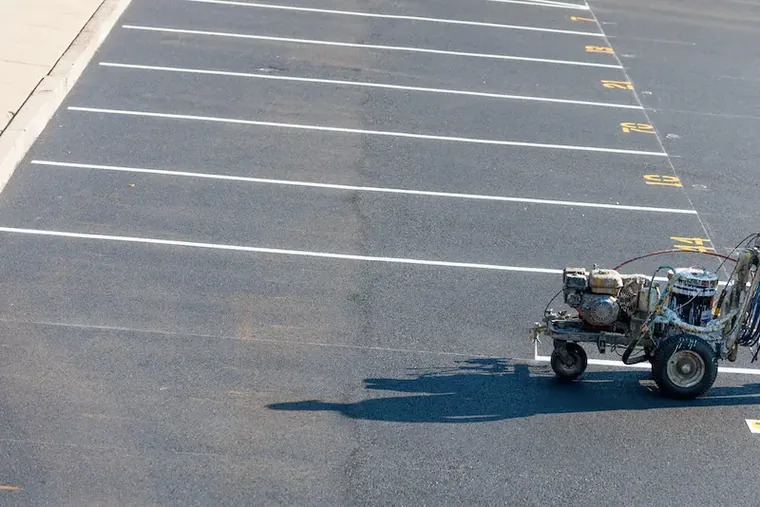
A faded lot costs you in ways that show up quietly — lost stalls when drivers park crooked, a failed accessibility inspection, a fire marshal citation, or a fender-bender in an unmarked drive aisle. Southeast Commercial Services resets the whole picture: a clean layout, code-ready markings, and lines that hold up under Atlanta traffic.
For over 30 years we've marked lots for the facility managers, property owners, and operations directors who answer for how their sites function and stay compliant. Striping is one line in a full commercial facility program — so a re-stripe can be bundled with curb painting, exterior work, or other site maintenance under one contract.
Choosing a striping contractor for a lot the public parks in every day is a due-diligence job — accessibility and fire code are on the line. Here's what clears our name before the first line goes down.
Established in 1991, with 30+ years marking commercial and industrial lots across the metro.
Accessible stalls, van spaces, and access aisles laid out to current accessibility standards that hold up to inspection.
Southeast Commercial Services of Georgia LLC — a registered, licensed contractor you can verify.
We run traffic paint for standard stalls and thermoplastic for fire lanes and high-wear markings — whichever the job calls for.
General liability and workers' comp in place; we issue a certificate naming your property on request.
Bonding gives owners and managers a layer of financial recourse most striping crews can't offer.
Nights, weekends, and phased lot closures keep customers, staff, and deliveries moving while lines cure.
We don't do driveways. Every crew, layout, and schedule is built for business and industrial lots.
Stall counts, marking lists, and materials named in writing so you can compare bidders line for line.
A single project lead owns your lot from layout to final line — no chasing a rotating cast of subs.
A lot that reads clearly and holds up starts with laying out the right markings and matching the right material to the traffic each line has to survive.
Every commercial lot carries more than parking lines. Across a full property we lay out and paint:
The details that make a lot legible and enforceable get spec'd in too:
We match the material to the traffic so you aren't over- or under-spending on any line:
When a striping job goes wrong, it rarely fails on the color of the paint. It fails on the things a property manager actually answers for — an accessible stall that doesn't meet code, a fire lane a marshal won't sign off on, a crew that ropes off half the lot at noon on a Saturday, or freshly painted lines a car drives through before they cure. Those problems land on your desk, not the striper's.
We built our commercial operation to take those risks off your plate. That means insured crews who show up on the schedule agreed to, layouts drawn to accessibility and fire-code requirements before anyone opens a paint kettle, and a single project lead who answers the phone when you call. You get one contract, one accountable team, and a lot that stays usable while it gets re-lined.
Work is phased and coned so customers, tenants, and deliveries keep using the lot while sections get striped and cure.
Licensed, bonded, and multi-million-dollar insured, with a certificate of insurance issued to your property on request.
No rotating subs. One project lead runs your lot from layout to final line and stands behind the compliance and finish.
Beyond standard stall striping, we handle the site-marking and exterior work a full property often needs on the same visit.
From a single retail strip to a full distribution yard, here's the range of markings and lots Southeast lays out across metro Atlanta.
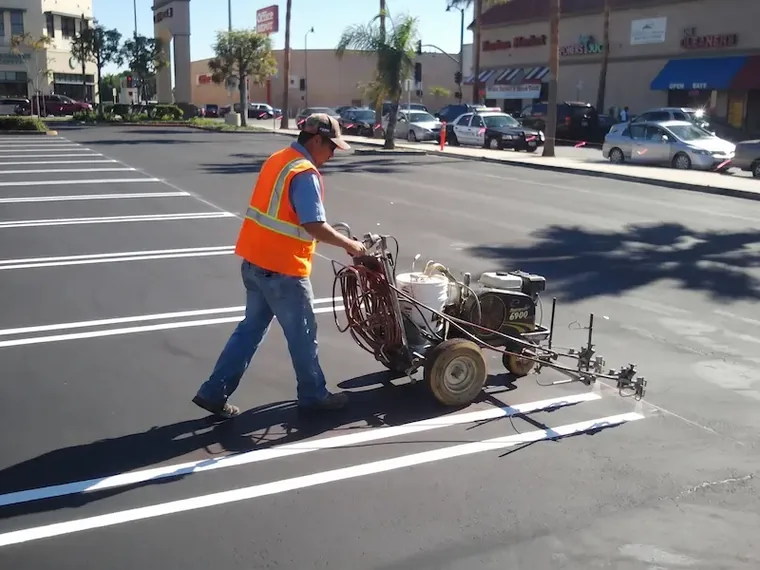
Fresh stall layouts, re-stripes of faded lots, and ADA-accessible spaces with access aisles — laid out to maximize stall count and pass inspection.
Get a Layout Quote →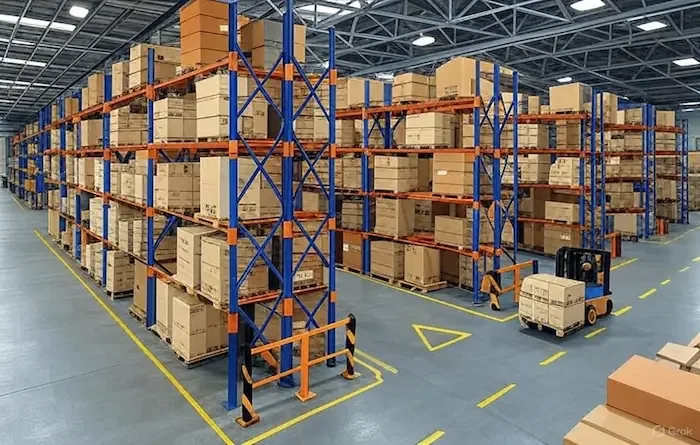
Fire lanes, no-parking zones, directional arrows, stop bars, and crosswalks that keep the lot compliant and moving safely.
Mark My Lot →
Dock aprons, staging lanes, safety walkways, and OSHA floor lines marked to keep forklifts, freight, and foot traffic separated.
Commercial Painting →Standard and compact stalls laid out to fit the most legal spaces onto your pavement, with straight, evenly spaced lines drivers can actually read.
Accessible stalls, van-accessible spaces, access aisles, and pavement symbols laid out to current accessibility standards and paired with signage.
Fire lanes, no-parking zones, and curb markings striped to the requirements a fire marshal will sign off on — often in long-life thermoplastic.
Directional arrows, one-way lanes, stop bars, and crosswalks that route drivers and pedestrians through the lot without guesswork.
STOP, ONLY, EV, reserved, visitor, and numbered stencils to control who parks where and keep priority spaces clearly claimed.
Curb painting, bollard and pipe-guard coating, and speed-bump highlighting that make hazards visible and the site easier to enforce.
A re-stripe is a compliance and safety decision as much as a curb-appeal one. Here's what a property manager gets when the contractor is Southeast.
Nights, weekends, and phased zone closures keep customers parking and deliveries moving while sections get lined and cure.
We count stalls, list every marking, and name the materials in writing — so you can vet bidders on the same terms instead of guessing.
ADA and fire-code layouts, multi-million-dollar insured and bonded, with crews who work traffic areas safely.
30+ years of Atlanta commercial work — striping bundles cleanly with curb painting, exterior coatings, and site repairs.
A repeatable, five-step process that turns a re-stripe from an open-ended headache into a scheduled, documented job you can hand off with confidence.
We meet you on site, measure the pavement, count existing stalls, and note ADA, fire-lane, and traffic-flow issues firsthand.
You get a written plan — stall count, every marking listed, and paint or thermoplastic named — so nothing is hidden in "and more."
We clean the surface, blow off debris, chalk or snap the new layout, and confirm dimensions before any paint goes down.
Crews apply lines, symbols, and stencils in the phased zones we agreed on, coning off fresh paint so the lot keeps working.
We let each section cure, pull the barricades, walk the finished lot with you, and leave the site clean and back in service.
A real striping proposal is a document, not a dollar figure. When you compare bids, these are the six things that separate a professional scope from a number scribbled on a business card.
We measure the pavement and design the layout to fit the most legal, correctly sized spaces your lot can hold — balancing standard and compact stalls, drive-aisle width, and turning room. A measured layout is what lets you compare one bidder's "full lot" against another's, and it's where a smart plan quietly recovers stalls a lazy re-stripe would have left on the ground.
The scope spells out the number, size, and placement of accessible and van-accessible stalls, the access aisles between them, the pavement symbols, and the signage that pairs with each space. We lay these out to current accessibility standards so the lot holds up to inspection — because an accessible space that's short by a few inches or missing an aisle is a citation waiting to happen.
We identify and mark fire lanes, no-parking zones, stop bars, crosswalks, and loading areas to the requirements your local fire and code officials enforce. These are the markings a marshal actually checks, so the proposal names where they go, what color they are, and whether they run in paint or long-life thermoplastic.
Beyond stall lines, the scope lists the directional arrows, STOP and ONLY stencils, reserved and EV markings, numbered spaces, curb painting, and bollard coating your lot needs. Naming each element up front means the whole lot reads clearly and stays enforceable — not just the easy rows near the door.
We name the material for each marking — traffic paint versus thermoplastic, with reflective beads where night visibility matters — and map the work to your calendar: which sections get closed in what order and how long each needs to cure. A phased plan is the difference between a re-stripe that quietly happens around your operation and one that ropes off the spaces your customers needed.
The scope defines how the job ends: protected cure time on fresh lines, barricades pulled once the paint sets, a final walkthrough, touch-ups to sign-off, and site cleanup. A defined closeout means the lot has a clear finish line everyone agrees on — not a crew that leaves before the paint is safe to drive on.
Most of the lots we stripe can't simply close — customers still arrive, employees still park, and trucks still deliver. So we plan the work around your traffic rather than through it. We stripe the lot section by section, closing and coning one zone at a time, painting it, and letting it cure before we move on — so the rows you need stay usable throughout the job.
Our office hours run Monday through Friday, and we phase and schedule the work to fit the rhythm of your site — concentrating disruptive zones in your lowest-traffic windows, whether that's early mornings, evenings, or weekends. Fast-cure, low-odor traffic paints shorten the time a section is out of service, and barricades and cones keep vehicles off fresh lines until they've set.
Every crew follows OSHA practices for working live traffic areas — high-visibility gear, controlled work zones, and clear separation from moving vehicles — so the job stays safe for your customers as well as our team. The goal is simple: you get a freshly striped, compliant lot, and your operation barely notices the crew was there.
From two Atlanta-area offices, Southeast Commercial Services stripes commercial and industrial lots throughout Fulton, DeKalb, Gwinnett, Cobb, and Cherokee counties — from Midtown parking decks to Gwinnett distribution yards.
Planning a re-stripe? Tell us the lot type, rough stall count or square footage, and your timing, and we'll schedule a walkthrough and return a written layout and scope you can act on.
Working from offices in Atlanta and Decatur, our crews reach commercial and industrial lots across the region's major corridors and surrounding counties.
We follow the metro's retail and freight arteries — the I-75, I-285, and I-85 corridors — to reach shopping centers, office parks, and distribution yards throughout the region. Coverage spans Fulton, Cobb, Gwinnett, DeKalb, and Cherokee counties, from intown parking decks to the industrial belts on the perimeter.
If your lot sits inside the greater Atlanta area, we can most likely walk it. Not sure whether you're in range? Call (470) 458-2322 and we'll confirm coverage and set a walkthrough.
Every property type carries its own layout, compliance, and scheduling demands. These are the commercial and industrial lots we're built to handle.
High-turnover lots striped for maximum stall count and clear customer traffic flow.
Employee and visitor lots with reserved, numbered, and ADA spaces clearly marked.
Dock aprons, staging lanes, and truck routes lined to keep freight and forklifts separated.
Patient, ambulance, and accessible spaces laid out for easy, compliant access.
Plant yards, safety walkways, and OSHA floor lines marked for a busy operation.
Multi-level structures striped with directional flow, arrows, and clearance markings.
Customer lots, curbside pickup, and no-parking zones kept sharp and enforceable.
Schools, municipal, and institutional lots striped to spec and compliance requirements.
A striped lot is a compliance asset you have to answer for. We stand behind the layout and application, and we're straight with you about how long each marking should last.
Our layout and application are warranted against defects — crooked lines, premature peeling, or failures that trace back to how the markings were installed rather than to normal traffic wear.
Because we lay out accessible stalls and fire lanes to current standards, your lot is positioned to pass inspection — and we'll flag anything on the pavement that could put that at risk.
We'll tell you honestly how long paint versus thermoplastic should hold on your lot's traffic — so your re-stripe budget is planned on real service life, not a sales number.
Commercial parking lot striping — also called line striping or pavement marking — is the professional layout and painting of markings on a business property: parking stalls, ADA-accessible spaces and access aisles, fire lanes, directional arrows, stop bars, crosswalks, and stencils, applied in traffic paint or thermoplastic. In Atlanta, it's provided by Southeast Commercial Services, a licensed, insured contractor working commercial and industrial only.
A well-striped lot does more than look sharp: it maximizes stall count, keeps traffic flowing safely, and keeps the property compliant with accessibility and fire-code requirements. Southeast has served Atlanta facilities for over 30 years and phases striping around your hours so customers, staff, and deliveries keep moving while the lines go down.
Straight answers to what Atlanta property and facility managers ask before signing a striping contractor.
Most commercial lots need fresh striping every 18 to 24 months, though high-traffic retail and industrial lots wear faster. Once drivers start guessing where the stalls are or the fire lane markings fade below what a fire marshal will accept, it's time. We can walk your lot, assess the line wear and layout, and tell you whether a re-stripe or a full re-layout makes more sense.
Yes. We phase striping around your business hours — running early mornings, evenings, or weekends and closing one section of the lot at a time so customers, staff, and deliveries keep moving. We cone and barricade the freshly painted rows until the coating cures, then reopen them and shift to the next zone.
Yes. We lay out and stripe accessible stalls, van-accessible spaces, and the required access aisles, along with pavement symbols and the signage that goes with them. We stripe to current accessibility standards so your lot holds up to inspection and keeps the required number and configuration of accessible spaces for its size.
A new or freshly paved lot is a blank slate — we design the full layout from scratch, fitting the most legal stalls, drive aisles, ADA spaces, and fire lanes onto the pavement. A re-stripe re-paints the existing layout, which is faster and cheaper when the plan still works. Where the old layout wastes space or no longer meets accessibility or fire-code requirements, we'll recommend a re-layout instead of blindly tracing faded lines — and tell you which makes sense after we walk the lot.
Yes. We identify and mark fire lanes, no-parking zones, curb painting, and the accompanying stencils to the requirements your local fire marshal and code officials enforce. Because these are high-wear, high-scrutiny markings, we often run them in long-life thermoplastic so they stay legible and inspection-ready far longer than standard paint.
Traffic paint is the cost-effective choice for standard stall lines and periodic re-stripes on most lots. Thermoplastic lasts far longer and stands up to heavy traffic, so it's often the better call for fire lanes, high-turn drive aisles, crosswalks, and industrial yards. We'll recommend the right material for each marking based on the traffic it takes and how long you need it to last.
Yes. Southeast Commercial Services of Georgia LLC is licensed, bonded, and carries multi-million-dollar insurance. We can issue a certificate of insurance naming your property or management company before work begins, and our crews follow OSHA practices for working traffic areas and controlling the site while paint cures.
Yes. Striping is one line in a full commercial facility program. The same team can coordinate exterior painting, curb and bollard painting, and other site work — so a re-stripe can be scheduled alongside related maintenance under one contract and one point of contact.
Tell us the lot type, rough stall count or square footage, and your timing. A Southeast Commercial Services team member will follow up to schedule a walkthrough — typically within the hour, Monday–Friday.